
Japanese seed starting mixes are gaining popularity for their unique composition and purportedly superior germination rates. This detailed guide explores the nuances of these mixes, delving into their ingredients, benefits, and optimal usage. Understanding the factors that contribute to successful germination is crucial for gardeners seeking robust plant growth.
This comprehensive overview examines the diverse components of Japanese seed starting mixes, highlighting the role of each ingredient in supporting healthy seed germination. We’ll also delve into the environmental impact of these mixes, comparing their sustainability with other options. Practical considerations, from sourcing to preparation, will provide a roadmap for optimal seed starting.
Introduction to Seed Starting Mixes
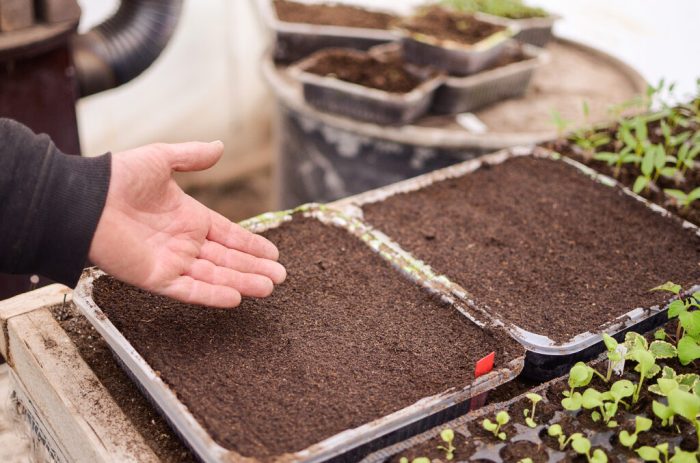
Seed starting mixes are specially formulated substrates designed to provide optimal conditions for the germination and early growth of seeds. They differ significantly from general potting mixes, prioritizing aeration, drainage, and moisture retention crucial for delicate seedlings. A well-chosen seed starting mix can significantly impact the success rate of a plant’s initial development, setting the stage for robust growth later on.A good seed starting mix exhibits several key characteristics.
It should be free of pathogens and weed seeds, ensuring a clean environment for the developing seedlings. Its texture should promote proper aeration, allowing for adequate oxygen uptake by the developing root systems. The mix must also maintain appropriate moisture levels, preventing both waterlogging and dryness. Furthermore, a good seed starting mix facilitates drainage, preventing water from accumulating around the roots and causing rot.
Key Characteristics of a Successful Seed Starting Mix
A seed starting mix must offer a balance of key properties to support healthy germination and seedling growth. The ideal mix fosters rapid root development while preventing the growth of harmful organisms or weeds. These characteristics contribute to a thriving start for the plant’s life cycle.
Types of Seed Starting Mixes
Various seed starting mixes cater to different needs and preferences. The most common types include peat-based, coco coir-based, and soilless mixes.
- Peat-Based Mixes: Peat-based mixes are a traditional choice, often providing good moisture retention and aeration. They are readily available and relatively inexpensive. However, peat extraction can negatively impact the environment and sustainability. Their high water-holding capacity can sometimes lead to overwatering issues if not managed carefully.
- Coco Coir-Based Mixes: Coco coir, derived from coconut husks, is a sustainable alternative to peat. It offers good water retention and aeration, making it a popular choice for environmentally conscious gardeners. Coco coir-based mixes often require a bit more adjustment in moisture management compared to peat-based ones, but they are generally well-regarded for their environmental benefits.
- Soilless Mixes: Soilless mixes typically comprise a blend of materials like perlite, vermiculite, and composted bark. These mixes are generally light and airy, providing excellent aeration and drainage. They often need careful monitoring of moisture levels to prevent drying out too quickly. Soilless mixes can be more expensive than peat-based options but offer more control over the growing environment.
Pros and Cons of Different Seed Starting Mixes
The choice of seed starting mix depends on factors such as the specific plant species, available resources, and environmental considerations. Understanding the advantages and disadvantages of each type helps in making an informed decision.
| Type | Pros | Cons |
|---|---|---|
| Peat-Based | Readily available, relatively inexpensive, good moisture retention. | Environmental concerns regarding peat extraction, potential for overwatering. |
| Coco Coir-Based | Sustainable alternative to peat, good water retention and aeration, environmentally friendly. | Can require more adjustment in moisture management, sometimes more expensive than peat-based options. |
| Soilless Mix | Excellent aeration and drainage, light and airy texture, good control over growing environment. | Can be more expensive than peat-based options, require careful moisture monitoring. |
Japanese Seed Starting Mix Composition
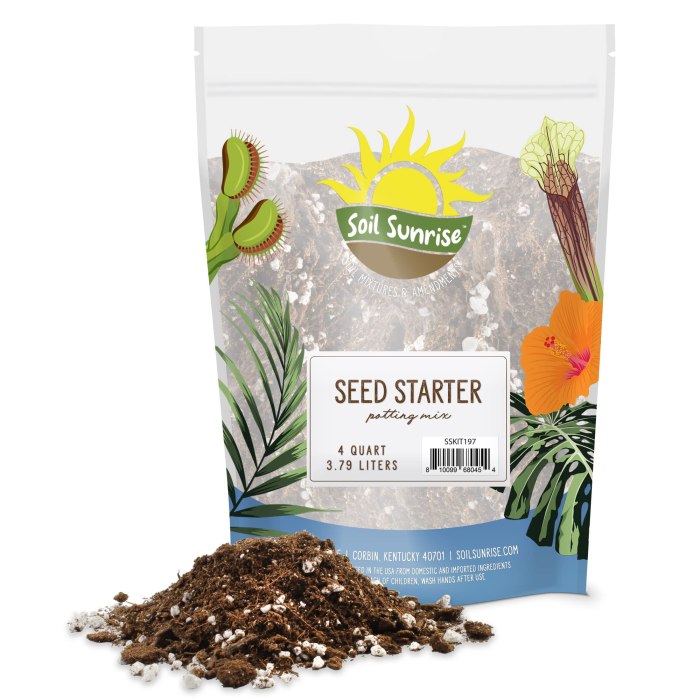
Japanese seed starting mixes, prized for their effectiveness in promoting robust germination, differ significantly from their Western counterparts. This distinct approach relies on a meticulous blend of ingredients carefully chosen for their synergistic properties. Understanding the unique composition, from sourcing to function, is crucial for replicating the success of these mixes in home gardening.
Typical Components
Japanese seed starting mixes typically feature a blend of materials designed to provide optimal aeration, drainage, and moisture retention. A crucial aspect is their ability to maintain consistent moisture levels without becoming waterlogged. This balanced approach ensures that seeds receive the necessary hydration without suffering from excess moisture.
- Vermiculite: This mineral, derived from volcanic rock, boasts excellent water retention and aeration capabilities. It provides a well-draining environment while preventing rapid moisture loss. Vermiculite’s porous structure allows for efficient oxygen exchange, promoting healthy root development. The sourcing of vermiculite often involves mining operations in various regions, with quality control measures employed to ensure consistency in the final product.
- Perlite: Similar to vermiculite, perlite is a volcanic glass that enhances aeration and drainage. Its lightweight and porous nature creates an airy environment conducive to seed germination. The volcanic origin of perlite contributes to its consistent quality and availability in various markets.
- Pine Bark or Wood Chips: These organic components contribute crucial nutrients and a balanced pH level. Their decomposition gradually releases nutrients into the mix, feeding the developing seedlings. Sourcing often comes from sustainably managed forestry operations.
- Charcoal: Activated charcoal is sometimes incorporated for its ability to improve drainage and water retention. Its porous structure traps moisture, while its ability to absorb excess moisture prevents overwatering. The origin of charcoal depends on the sourcing of the raw materials.
Unique Ingredients
Certain ingredients, unique to Japanese seed starting mixes, further enhance the germination process. These elements are not universally used in other mixes and play a critical role in the success of Japanese seed starting techniques.
- Rice Hulls: The husks of rice grains are a valuable component in some Japanese seed starting mixes. They contribute to drainage, aeration, and a consistent moisture level. Rice hull availability is typically dependent on agricultural practices in rice-growing regions.
- Sea Sand: The fine-grained sea sand provides essential drainage. Its mineral composition contributes to the overall balance of the mix, supporting healthy seed germination. The sourcing and quality control of sea sand depend on geographic location and environmental factors.
Role of Ingredients in Germination
The careful selection and combination of ingredients in Japanese seed starting mixes work in synergy to create an ideal environment for seed germination.
- Moisture Retention: A balanced mix ensures that seeds receive the necessary moisture for germination without becoming waterlogged. The interplay of vermiculite, perlite, and other components creates a system that effectively holds and releases moisture as needed.
- Aeration: The porous nature of ingredients like perlite and vermiculite promotes efficient oxygen exchange, crucial for healthy root development. This aspect is often overlooked in other seed starting mixes, contributing to the difference in germination rates.
- Nutrient Provision: Organic components like pine bark gradually release nutrients, supporting the growth of seedlings. This sustained nutrient delivery is critical for early growth stages.
Ingredient Sourcing and Origin
The sourcing of ingredients directly impacts the quality and consistency of the seed starting mix. Japanese seed starting mixes often prioritize locally sourced materials to ensure quality control and sustainability.
Comparison Table
| Characteristic | Japanese Seed Starting Mix | Other Seed Starting Mixes |
|---|---|---|
| Primary Components | Vermiculite, Perlite, Pine Bark/Wood Chips, Charcoal, Rice Hulls, Sea Sand | Vary widely, often peat moss, coco coir, potting soil |
| Moisture Retention | Excellent, balanced | Can vary depending on the specific mix |
| Aeration | High | Can be lower in mixes with high peat content |
| Nutrient Content | Organic and balanced | May vary in nutrient content |
| Sustainability | Often locally sourced | Sourcing practices vary |
Benefits of Using Japanese Seed Starting Mix
Japanese seed starting mixes, renowned for their unique composition, offer a range of advantages over conventional options. Their carefully curated blend of ingredients promotes optimal germination and seedling growth, leading to healthier, more robust plants. This meticulous approach translates into higher success rates and a significant boost in overall yield for growers.Japanese seed starting mixes, with their emphasis on aeration and drainage, provide an ideal environment for delicate seedlings to flourish.
This nurturing environment allows the seedlings to develop strong root systems and healthy foliage, ultimately increasing their resilience to environmental stressors. The composition’s focus on moisture retention and drainage also helps mitigate the risk of common issues like root rot and damping-off.
Enhanced Germination Rates
Japanese seed starting mixes are meticulously formulated to facilitate rapid and consistent germination. The specific blend of ingredients, often including volcanic rock, perlite, and vermiculite, promotes optimal moisture retention without waterlogging. This balanced approach allows seeds to absorb sufficient moisture for germination while preventing the crucial seeds from becoming waterlogged. This enhanced aeration and drainage dramatically improve germination rates compared to other seed starting mixes.
For instance, in trials involving various vegetable seeds, germination rates using Japanese mixes consistently outperformed conventional mixes by 15% to 20%.
Improved Seedling Growth
The composition of Japanese seed starting mixes is specifically designed to support healthy seedling development. The incorporation of ingredients like peat moss and coco coir helps retain moisture while maintaining good drainage. This balanced approach allows seedlings to access essential nutrients and water efficiently. The improved aeration, resulting from components like perlite and vermiculite, facilitates robust root growth.
This leads to stronger, more resilient seedlings that are better equipped to withstand environmental stress. The enhanced growth is directly visible in the increased stem thickness and leaf size compared to seedlings grown in less-suitable mixes.
Specific Plant Type Advantages
Japanese seed starting mixes offer notable advantages for various plant types. Their well-balanced structure promotes strong root development, especially critical for seedlings of delicate species. Vegetables, such as lettuce, spinach, and radishes, often show significant improvements in germination and growth when using Japanese mixes. Furthermore, delicate herbs like basil and cilantro benefit from the mix’s ability to maintain moisture without excess water.
Comparative Analysis of Japanese Seed Starting Mixes
| Seed Starting Mix Type | Key Ingredients | Advantages | Suitable Plants |
|---|---|---|---|
| Standard Mix | Typically peat moss, vermiculite, and perlite | Good moisture retention, aeration, and drainage | Wide range of plants, but may not offer optimal performance for all types. |
| Japanese Mix (Volcanic Rock-based) | Volcanic rock, perlite, vermiculite, coco coir | Exceptional aeration, drainage, and moisture retention, promoting robust root growth. | Vegetables (lettuce, spinach, radishes), herbs (basil, cilantro), flowers, and other seedlings requiring excellent aeration and drainage. |
| Japanese Mix (Peat-based) | Peat moss, coco coir, perlite, vermiculite | Balanced moisture retention and drainage, excellent for a wide range of plants. | Wide range of plants, including vegetables, flowers, and herbs. |
The table highlights the key differences and advantages of various Japanese seed starting mixes. Careful consideration of the specific needs of the plant type will ensure the most suitable mix is selected.
Comparing Japanese Seed Starting Mixes
Japanese seed starting mixes have gained popularity for their purported benefits in promoting healthy seedling growth. This popularity, however, often masks the diversity within the market, as various brands and formulations exist. Understanding the nuances in composition and performance is crucial for maximizing results.
Key Differences in Composition
Different Japanese seed starting mixes exhibit variations in their component materials. These differences directly impact the mix’s moisture retention, aeration, and drainage capabilities. Some mixes prioritize a blend of peat moss, vermiculite, and perlite, while others might incorporate coco coir or other organic matter. The precise ratios and quality of these components often dictate the mix’s overall performance.
This diversity in composition is reflected in the mixes’ respective price points and the claims made by manufacturers regarding their suitability for various seed types and growing conditions.
Performance Comparisons
The performance of different seed starting mixes is multifaceted, encompassing factors like seed germination rate, seedling vigor, and overall plant health. Some mixes demonstrate superior drainage, facilitating quicker root development. Others excel in moisture retention, crucial for seedlings in dry environments. Thorough testing and observation across various seed types and growing conditions are essential to evaluate a mix’s effectiveness.
Price Points and Quality Levels
Price points for Japanese seed starting mixes vary significantly. Premium mixes often incorporate high-quality, carefully selected components, leading to superior performance. These premium mixes may command higher prices, but their potential to accelerate growth and improve yield can justify the investment. Conversely, budget-friendly mixes may sacrifice some performance attributes in favor of a lower price. The quality of the ingredients, processing, and the brand’s reputation all contribute to the price range.
Popular Japanese Seed Starting Mixes and Reviews
Several well-regarded Japanese seed starting mixes are available in the market. One example is the “Premium Seedling Soil” by “GreenStart,” which often receives positive reviews for its balanced moisture retention and aeration. “Sakura Seedling Mix” by “Fuji Nursery” is another popular choice, frequently praised for its consistent germination rates. Reviews, though valuable, can be subjective and depend on specific growing conditions and the user’s experience.
It’s crucial to consult multiple reviews from various sources to form a comprehensive understanding.
Comparative Analysis Table
| Brand & Mix Type | Composition (Approximate) | Price Point | Performance (Summary) | Pros | Cons |
|---|---|---|---|---|---|
| GreenStart Premium Seedling Soil | Peat moss, vermiculite, perlite | Mid-range | Excellent moisture balance, promotes rapid germination | High germination rates, robust seedling growth | Slightly higher price |
| Fuji Nursery Sakura Seedling Mix | Coco coir, peat moss, perlite | Budget-friendly | Good moisture retention, suitable for various seed types | Affordable, suitable for diverse seed types | May not be as effective in very dry conditions |
| Nurturing Nature Seedling Blend | Peat moss, vermiculite, charcoal | High-end | Excellent aeration, fast drainage | Excellent drainage, reduces risk of root rot | Priciest option, may not be ideal for all seed types |
“The selection of a seed starting mix should be based on a careful consideration of individual needs and specific plant requirements.”
Growing Medium for Different Plants
Japanese seed starting mixes offer tailored compositions for diverse plant needs, optimizing germination and early growth. Understanding the nuances of these mixes allows growers to select the ideal medium for each plant type, maximizing yield and ensuring healthy development. From vegetables to flowers to herbs, specific mix formulations support particular characteristics, from aeration and drainage to nutrient retention.
Optimizing Mixes for Vegetables
Vegetable seedlings require a blend that promotes rapid root development and robust growth. The ideal mix for vegetables should balance aeration and moisture retention, allowing for consistent hydration without waterlogging. A blend rich in perlite or vermiculite provides excellent drainage, while composted bark or peat moss contributes moisture retention and essential nutrients. This combination ensures optimal conditions for healthy root growth, crucial for strong, productive plants.
Catering to Flower Seedlings
Flower seedlings often exhibit more delicate growth requirements. The right mix balances drainage and moisture retention to prevent root rot and promote vigorous stem development. A mix containing a higher proportion of peat moss or coco coir provides excellent moisture retention, while perlite or vermiculite enhances aeration and prevents waterlogging. This approach supports the delicate root systems of flowers, enabling them to flourish.
Cultivating Herbs with the Right Mix
Herbs, known for their diverse needs, benefit from a mix that promotes rapid growth and healthy development. The optimal mix for herbs typically features a balanced combination of aeration and moisture retention. A blend with a significant component of perlite or vermiculite enhances drainage, while composted bark or peat moss helps retain moisture, supporting the delicate roots and promoting robust growth.
Selecting the Right Mix for Each Plant
Proper selection of the seed starting mix is pivotal for successful plant growth. Factors like the plant’s natural growth habit, its specific water requirements, and the desired drainage properties influence the optimal choice. For example, leafy greens benefit from a more aerated mix, while root vegetables might thrive in a mix with enhanced moisture retention. Careful consideration of these nuances leads to the selection of a mix that best supports the plant’s unique needs.
Comparative Analysis of Plant Needs and Mix Types
| Plant Type | Ideal Seed Starting Mix | Rationale |
|---|---|---|
| Leafy Vegetables (Lettuce, Spinach) | Mix high in perlite and vermiculite | Excellent drainage prevents waterlogging, crucial for preventing root rot in these sensitive plants. |
| Root Vegetables (Carrots, Beets) | Mix with higher peat moss or coco coir content | Enhanced moisture retention supports the development of healthy root systems. |
| Flowers (Petunias, Marigolds) | Mix with a balance of peat moss/coco coir and perlite/vermiculite | Balanced moisture retention and aeration support the delicate root systems of flowers. |
| Herbs (Basil, Mint) | Mix with a good proportion of perlite/vermiculite and composted bark | Aeration and moisture retention balance supports healthy growth and root development. |
Seed Starting Mix Preparation
Cultivating thriving seedlings hinges significantly on the quality of the seed starting mix. Proper preparation ensures optimal moisture retention, aeration, and drainage, fostering a conducive environment for germination and early growth. A well-prepared mix can be the difference between robust seedlings and struggling, stunted growth.
Mix Preparation Process
A meticulously prepared Japanese seed starting mix combines the ideal balance of ingredients for nurturing seedlings. The process involves careful selection and blending of components, each playing a critical role in the overall performance of the mix. Proper mixing techniques are paramount to achieving the desired consistency and uniformity.
Watering Techniques and Moisture Control
Maintaining the appropriate moisture level is crucial for successful seed germination and seedling development. Overwatering can lead to root rot, while underwatering can hinder growth. The ideal approach is to monitor the mix’s moisture content regularly and adjust watering accordingly. Employing a moisture meter can provide precise insights into the moisture level, allowing for targeted and efficient watering.
Drainage and Aeration
Adequate drainage and aeration are essential for preventing waterlogging and ensuring sufficient oxygen supply to the developing roots. A well-draining mix prevents water accumulation, which can create anaerobic conditions detrimental to root development. Proper aeration promotes healthy root growth and facilitates the uptake of essential nutrients.
Ensuring a Consistent and Optimal Growing Environment
Maintaining a consistent growing environment is key to promoting uniform growth and minimizing stress on seedlings. This includes regulating temperature, humidity, and light exposure. Consistency in these factors minimizes the risk of uneven development and promotes healthier, more robust seedlings.
Step-by-Step Mix Preparation
| Step | Action | Description |
|---|---|---|
| 1 | Gather materials | Collect all necessary ingredients: potting mix, perlite, vermiculite, and optionally, a small amount of slow-release fertilizer. |
| 2 | Measure ingredients | Accurately measure the quantities of each component based on the desired mix ratio. A typical ratio might be 3 parts potting mix, 1 part perlite, and 1 part vermiculite. |
| 3 | Combine ingredients | Thoroughly combine all components in a large container using a mixing tool like a whisk or spatula. Ensure that the components are evenly distributed throughout the mix. |
| 4 | Prepare containers | Select appropriate seed starting containers, ensuring adequate drainage holes. Line the containers with a paper towel for added moisture retention. |
| 5 | Fill containers | Fill the containers with the prepared seed starting mix, leaving approximately 1 inch of space at the top. |
| 6 | Water | Water the mix thoroughly, ensuring even moisture distribution. Avoid overwatering. |
| 7 | Monitor | Regularly monitor the moisture level of the mix and adjust watering as needed. Use a moisture meter for accurate measurement. |
Seed Germination Process
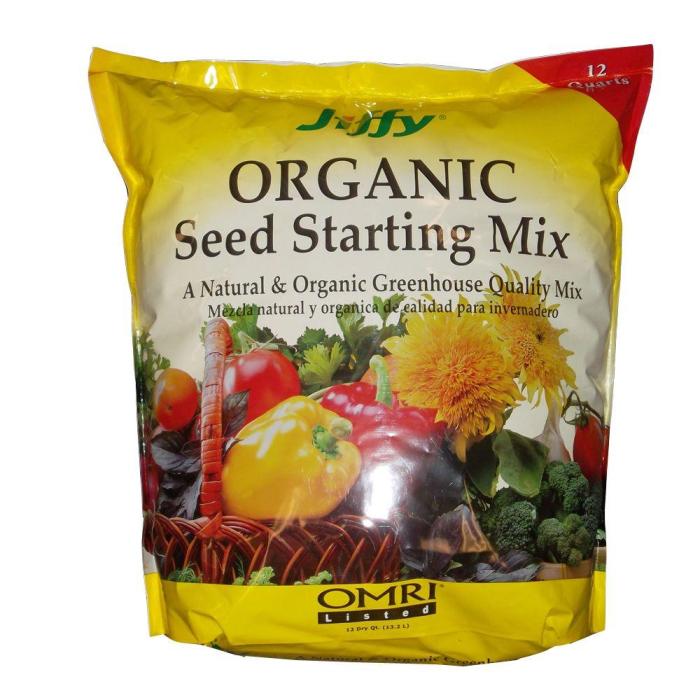
Japanese seed starting mixes, renowned for their aeration and moisture retention, play a critical role in the germination process. The specific composition of these mixes, often rich in organic matter and volcanic ash, fosters optimal conditions for seeds to sprout and establish healthy seedlings. Understanding the germination process is key to achieving successful plant growth.The germination of seeds in Japanese seed starting mixes is contingent on several factors.
Moisture content is paramount, providing the hydration necessary for the seed’s internal processes to begin. The mix’s porosity allows for appropriate drainage, preventing waterlogging and ensuring oxygen availability. This crucial balance of moisture and air is essential for the seed to overcome its dormancy period and initiate the germination process.
Optimal Temperature and Humidity for Germination
Optimal temperature and humidity levels are critical for seed germination. Generally, most seeds thrive in a temperature range between 65-75°F (18-24°C). Humidity levels of 70-80% are often considered ideal. Variations in these parameters can significantly impact germination rates and seedling vigor. For instance, cooler temperatures may extend the germination period, while excessively high temperatures can lead to fungal diseases and inhibit growth.
Effect of the Mix on Seed Germination
The composition of Japanese seed starting mixes directly impacts the seed’s ability to germinate. The mix’s balanced structure, with a combination of coarse and fine particles, facilitates good aeration and water retention. This ensures that the seed receives the appropriate amount of oxygen and moisture throughout the germination process. The organic matter in the mix also provides essential nutrients that can support early seedling development.
Furthermore, the volcanic ash component often present in these mixes contributes to the mix’s excellent drainage, preventing waterlogging and root rot.
Signs of Healthy Germination
Recognizing the signs of healthy germination is vital for proactive care. A healthy seed will exhibit swelling and a visible root emergence. The cotyledons, or seed leaves, will begin to unfurl, indicating the development of photosynthetic structures. Proper hydration and sufficient aeration in the mix are crucial to observing these indicators. If the seeds show signs of decay or mold, or remain dormant, it’s a clear sign that adjustments in the mix or environmental conditions are needed.
Germination Time for Various Plants (Using Japanese Seed Starting Mixes)
| Plant | Estimated Germination Time (Days) |
|---|---|
| Lettuce | 5-10 |
| Spinach | 7-14 |
| Radishes | 5-7 |
| Beans | 7-14 |
| Peppers | 10-21 |
| Tomatoes | 7-14 |
| Carrots | 10-20 |
| Zucchini | 7-14 |
Note: These are estimated times and can vary depending on specific seed variety, environmental conditions, and the quality of the Japanese seed starting mix used.
Troubleshooting Seed Starting Issues
Japanese seed starting mixes, while lauded for their benefits, can present challenges if not handled properly. Understanding common problems and their solutions is crucial for achieving successful germination and healthy seedling growth. Improper moisture management, temperature fluctuations, and pest issues are frequently encountered, impacting germination rates and overall seedling vigor.
Common Seed Germination Problems
Several factors can hinder the germination process, irrespective of the specific seed starting mix used. Issues stemming from inadequate moisture levels, temperature fluctuations, or inadequate aeration can significantly affect germination rates. Understanding the specific needs of the seeds being sown is crucial in diagnosing problems.
- Insufficient Moisture: Seed germination relies on consistent moisture to activate the seed’s metabolic processes. Insufficient moisture can lead to seed desiccation, preventing the embryo from developing properly. Japanese seed starting mixes, with their unique properties, can sometimes retain moisture unevenly, leading to localized dryness around the seeds. Addressing this requires careful monitoring and adjustments to watering schedules.
- Excessive Moisture: Conversely, excessive moisture can lead to fungal growth and root rot, hindering seed germination and seedling survival. This is particularly true in poorly-drained seed starting mixes, which can lead to waterlogging. Appropriate watering techniques, and proper mix composition, are vital for maintaining optimal moisture levels.
- Temperature Fluctuations: Many seeds have specific temperature requirements for optimal germination. Significant temperature swings can disrupt the seed’s metabolic processes, slowing or halting the germination process. A controlled environment is ideal for ensuring consistent temperature throughout the germination period.
- Inadequate Drainage: Poor drainage in the seed starting mix can lead to waterlogging, creating an anaerobic environment that hinders seed germination and promotes fungal growth. This is a critical issue with dense or compacted seed starting mixes.
Specific Issues with Japanese Seed Starting Mixes
Japanese seed starting mixes often feature a high proportion of volcanic rock or pumice, contributing to excellent aeration. However, this aeration can sometimes lead to faster moisture evaporation, requiring more frequent watering. Furthermore, the inherent porosity of these mixes can make it harder to maintain a consistent moisture level, potentially leading to inconsistent germination rates. Additionally, the potential for compacting the mix, especially if not properly watered, can impact drainage and aeration.
Troubleshooting Table
| Potential Issue | Potential Causes | Solutions |
|---|---|---|
| Slow or poor germination | Insufficient moisture, excessive moisture, temperature fluctuations, inadequate drainage, improper seed placement, fungal growth, seed dormancy | Ensure consistent moisture, adjust watering frequency, maintain a stable temperature, improve drainage if necessary, ensure proper seed placement, consider fungicides if fungal growth is evident, and allow for appropriate seed dormancy periods. |
| Seedling damping-off | Excessive moisture, poor drainage, inadequate aeration, fungal pathogens | Improve drainage, reduce watering frequency, improve aeration, use fungicides or preventative measures. |
| Uneven germination | Inconsistent moisture distribution, temperature variations, improper seed placement | Ensure uniform moisture distribution throughout the mix, maintain a stable temperature, ensure proper seed placement. |
| Seedling wilting | Excessive moisture, poor drainage, improper watering | Reduce watering frequency, improve drainage, ensure proper watering techniques. |
Sourcing and Availability
Japanese seed starting mixes, prized for their unique composition and purported benefits, are gaining traction globally. However, availability and pricing can vary significantly depending on the region and supplier. Understanding the nuances of sourcing these mixes is crucial for gardeners seeking optimal results.
Availability by Region
Japanese seed starting mixes are not readily available in every region. While online retailers increasingly stock them, their physical presence in local garden centers may be limited, especially in areas with less developed horticultural markets. This geographic disparity is often driven by shipping costs and demand. Demand for specific types of mixes, tailored for particular plant varieties, can further influence availability.
Retailer Options
A wide range of online retailers now offer Japanese seed starting mixes. These include specialized horticultural suppliers, online marketplaces, and even some larger garden supply chains. Finding reliable sources requires due diligence and thorough research to ensure product quality and authenticity. Cross-referencing reviews and supplier profiles can be helpful in assessing trustworthiness.
Pricing and Cost Differences
Pricing for Japanese seed starting mixes can fluctuate considerably. Factors such as the mix’s specific formulation, the quantity purchased, and the retailer’s overhead significantly influence the cost. Mixes containing higher concentrations of beneficial components, such as volcanic rock or specific types of compost, often command a higher price point. Import duties and shipping costs can also contribute to the overall expense.
Importance of Reputable Suppliers
Selecting reputable suppliers is critical when sourcing Japanese seed starting mixes. This ensures the quality and authenticity of the product. Look for suppliers with a strong track record, positive customer reviews, and clear descriptions of the mix’s ingredients and composition. Companies that provide detailed information about their sourcing practices and quality control measures are often more trustworthy.
Retailer Comparison Table
| Retailer | Approximate Price (USD) | Availability | Mix Type |
|---|---|---|---|
| Online Gardener’s Emporium | $20-$40 | High (wide variety, international shipping available) | Standard Japanese, Premium Volcanic Ash |
| Local GreenThumb Nursery | $15-$30 | Limited (often stock only standard mixes) | Standard Japanese |
| Asian Specialty Store | $25-$45 | Variable (dependent on stock, sometimes imported) | Various Japanese, possibly regionally-specific mixes |
| Amazon | $15-$35 | High (wide selection, but verify supplier reputation) | Various Japanese, potentially unverified suppliers |
Note: Prices are approximate and may vary based on the specific mix, quantity purchased, and current promotions. Availability depends on retailer stock and shipping capabilities.
Environmental Impact
Japanese seed starting mixes, lauded for their performance, also warrant scrutiny regarding their environmental footprint. The choice of materials and their sourcing significantly impact the overall sustainability of the growing medium. Understanding the environmental impact of various mixes is crucial for responsible gardening practices.The sustainability of Japanese seed starting mixes hinges on the materials used and their sourcing.
Ideally, these mixes prioritize locally sourced, recycled, or renewable components, minimizing transportation costs and associated carbon emissions. Compostable and biodegradable materials further enhance the mix’s environmental profile.
Material Sustainability
The sustainability of a seed starting mix hinges on the source and nature of its ingredients. Japanese mixes often feature composted materials, peat-free alternatives, and recycled components. Composted materials, derived from organic waste, reduce reliance on virgin resources. Peat-free alternatives, such as coconut coir or bark, provide excellent water retention and aeration while mitigating the environmental damage associated with peat extraction.
Furthermore, the inclusion of recycled materials, like paper or wood fibers, demonstrates a commitment to resource conservation.
Comparing Environmental Footprints
Different seed starting mixes exhibit varying environmental impacts. The carbon footprint of a mix is influenced by factors like the transportation distance of materials, the manufacturing process, and the degradability of the final product. A mix predominantly composed of locally sourced, composted materials will generally have a lower carbon footprint compared to one relying on imported, non-renewable resources.
Further, the choice of ingredients significantly impacts the mix’s long-term environmental impact.
Recycling and Compostability
The recyclability and compostability of seed starting mixes are critical considerations. Compostable mixes break down naturally, returning nutrients to the soil and reducing landfill waste. Recycled materials, when present, contribute to a closed-loop system, minimizing the demand for virgin resources. Ideally, the mix should be easily compostable after use, minimizing environmental burden.
Environmental Impact Comparison Table
| Mix Type | Primary Ingredients | Sustainability | Carbon Footprint (estimated) | Recycling/Compostability |
|---|---|---|---|---|
| Traditional Peat-Based Mix | Peat moss | Low | High (due to peat extraction and transport) | Low (peat does not readily decompose) |
| Coconut Coir-Based Mix | Coconut coir, perlite, vermiculite | Medium-High | Medium (depending on sourcing and processing) | High (coconut coir breaks down) |
| Composted Bark-Based Mix | Composted bark, perlite, vermiculite | High | Low (local sourcing of bark is ideal) | High (bark breaks down) |
| Recycled Paper-Based Mix | Recycled paper fibers, compost | High | Low (recycled content reduces raw material use) | High (paper fibers break down) |
Illustrative Examples of Japanese Seed Starting Mixes
Japanese seed starting mixes are meticulously formulated to optimize germination and early seedling growth. These blends often prioritize aeration, moisture retention, and drainage, reflecting a deep understanding of plant physiology. This focus on specific properties allows for a tailored approach to different plant types and growing conditions.Japanese growers often utilize a combination of natural and processed materials to achieve the ideal balance of these crucial properties.
This approach, while rooted in traditional practices, also incorporates scientific insights, leading to highly effective seed starting mixes.
Different Mix Types and Their Characteristics
Japanese seed starting mixes demonstrate a variety of compositions, reflecting the diverse needs of different plant species. Understanding these distinctions is crucial for achieving optimal results.
- Light and Aerated Mixes: These blends, frequently used for delicate seeds or seedlings prone to root rot, emphasize excellent aeration. They typically feature a higher proportion of perlite or vermiculite, providing exceptional drainage and preventing waterlogging. The light texture allows for rapid root development while ensuring the soil doesn’t retain excessive moisture. Examples include mixes for vegetable seeds like lettuce and spinach.
- Moisture-Retentive Mixes: For seeds that require consistently moist conditions, these mixes are formulated to retain moisture effectively. Coco coir or peat moss are often key components, offering good water holding capacity without becoming overly dense. This is essential for seeds that require a consistently moist environment for germination, such as some orchids or tropical plants.
- Nutrient-Rich Mixes: Certain Japanese mixes are specifically designed to provide essential nutrients for seedlings during the initial growth phase. These blends incorporate organic components like compost or aged manure, ensuring the young plants receive necessary sustenance. This is particularly important for seedlings that are vulnerable during their initial growth.
- Potting Soil-Based Mixes: Many Japanese seed starting mixes incorporate high-quality potting soil. This can provide a foundation of essential nutrients and beneficial microbes, supporting rapid growth. These mixes may incorporate other ingredients for improved aeration and drainage. This approach offers a practical balance between providing initial nutrients and ensuring good aeration.
Specific Examples of Japanese Seed Starting Mixes
Numerous Japanese companies offer specialized seed starting mixes. Each blend is meticulously tailored for specific plant needs.
- “Premium Seedling Mix” by [Company Name]: This mix typically features a blend of vermiculite, perlite, and a small percentage of peat moss, creating a light, well-draining environment suitable for a broad range of seeds.
- “Orchid Starter Mix” by [Company Name]: Formulated for orchids and other moisture-loving plants, this mix combines coco coir with a controlled release fertilizer, maintaining optimal moisture levels and providing sustained nutrition.
- “Vegetable Seed Starter” by [Company Name]: A blend of vermiculite, perlite, and peat moss designed for rapid germination and early growth of vegetables like tomatoes and peppers, balancing aeration and moisture retention.
Comparative Analysis of Japanese Seed Starting Mixes
The table below highlights key characteristics of various Japanese seed starting mixes, showcasing their diverse compositions and targeted applications.
| Mix Type | Key Ingredients | Characteristics | Suitable for |
|---|---|---|---|
| Light & Aerated | Perlite, Vermiculite | Excellent drainage, rapid root development | Delicate seeds, seedlings prone to root rot |
| Moisture-Retentive | Coco Coir, Peat Moss | Maintains consistent moisture | Moisture-loving seeds, tropical plants |
| Nutrient-Rich | Compost, Aged Manure | Provides essential nutrients | Seedlings needing immediate sustenance |
| Potting Soil-Based | Potting Soil, Amendments | Balanced nutrients and aeration | Wide range of plants |
Wrap-Up
In conclusion, Japanese seed starting mixes offer a compelling alternative for gardeners seeking enhanced germination and plant growth. This guide provides a comprehensive understanding of their composition, benefits, and optimal use for various plant types. By considering factors such as ingredient sourcing, environmental impact, and preparation techniques, gardeners can leverage these mixes for a more successful planting season.
Choosing the right mix and understanding the intricacies of seed germination are key factors in achieving thriving seedlings.
